July is officially National Ice Cream Month—a time to indulge in your favorite frozen treat. But nothing melts the magic faster than a tub that’s icy, flavorless, or has a strange texture. The culprit? Improper storage. Whether you’re stocking up at the grocery store or managing a professional freezer, understanding how to handle and store ice cream is essential to maintaining its creamy perfection. The good news? It’s easier than you think—and we’ve got the pro tips to help you out.
Avoid Ice Cream’s Nemesis: Freezer Burn
Ice cream may be frozen, but it’s still fragile. When not stored properly, it can suffer from texture changes, flavor loss, contamination and, worst of all, freezer burn. There is nothing more disappointing that getting ready to dig into a carton of your favorite flavor and being greeted by ice crystals. It would be one thing if you were in science class, but wholly unacceptable when you are looking forward to enjoying your favorite dessert.
Freezer burn happens when moisture in the ice cream evaporates, condenses, and refreezes on the surface. It’s usually caused by air exposure, warm temperatures, or cycles of melting and refreezing. The result? A dry, chalky texture and dulled flavor. It’s safe to eat, sure—but it’s a disservice to you and your ice cream. Thankfully, with a few smart habits, there is no reason for your ice cream to be anything but creamy.
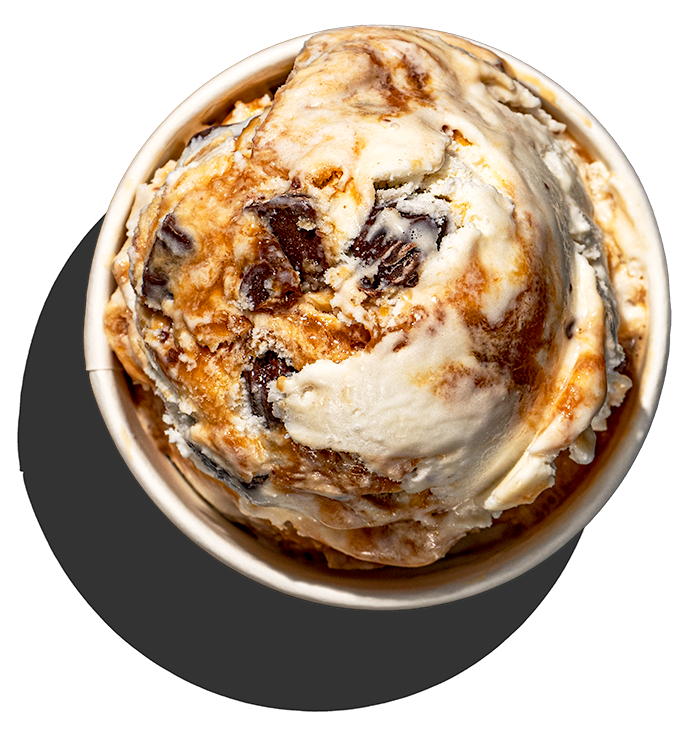
Pro Tips for Transporting Ice Cream
Getting your ice cream home safely is the first (and often overlooked) step in preserving quality. Here’s how to do it right:
- Buy ice cream last during your grocery run.
- Use an insulated bag or cooler, pre-chilled with ice packs if possible.
- Pack ice cream with other cold or frozen items to maintain the chill.
- Avoid direct sunlight or hot car trunks—heat is the enemy!
- Head straight home and pop it in the freezer immediately.
- Going on a longer trip? Pack it with dry ice for maximum protection.
Pro Tips for Storing Ice Cream
At home or in a commercial setting, good freezer habits make all the difference:
- Store ice cream at the back of the freezer, where temps stay consistent.
- Set your freezer to -18°C (0°F) to keep it firm but scoopable.
- Store tubs upside down so melted bits freeze at the lid.
- Keep your freezer clean and defrosted to prevent temperature fluctuations.
- Avoid odor absorption—store away from strong-smelling foods like garlic or onions.
- Use airtight containers or zip-top bags to minimize exposure to air.
- Press a layer of plastic wrap or wax paper onto the surface before sealing.
- Avoid thawing and refreezing—it creates large ice crystals and ruins texture.
- And most importantly—don’t forget it’s there. Ice cream is best when fresh.
Pro Tips for Scooping & Serving
Now for the fun part—serving it up! Here’s how to make every scoop perfect:
- Let your ice cream temper for 5–10 minutes before serving. This enhances flavor and makes scooping easier.
- Ideal serving temp? -14°C to -12°C (6.8°F to 10.4°F)—just soft enough.
- Dip your scooper in room temperature water for smooth, clean scoops.
- Start from the edges, where it softens first.
- Serving multiple flavors? Wipe your scoop between uses to avoid mixing.
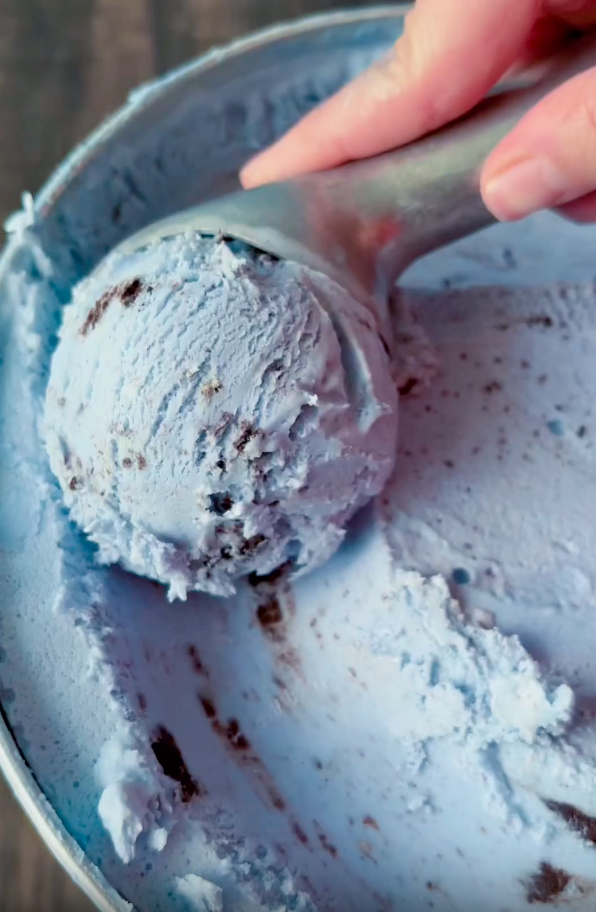
Scoop Smarter, Store Smarter
Ice cream isn’t just a dessert—it’s a mood, a memory, and a moment. When you’ve chosen a quality product like San Bernardo, proper storage ensures every scoop tastes as amazing as it should.
So protect your pints, build better habits, and savor the scoop the way it was meant to be—fresh, flavorful, and freezer-burn free.